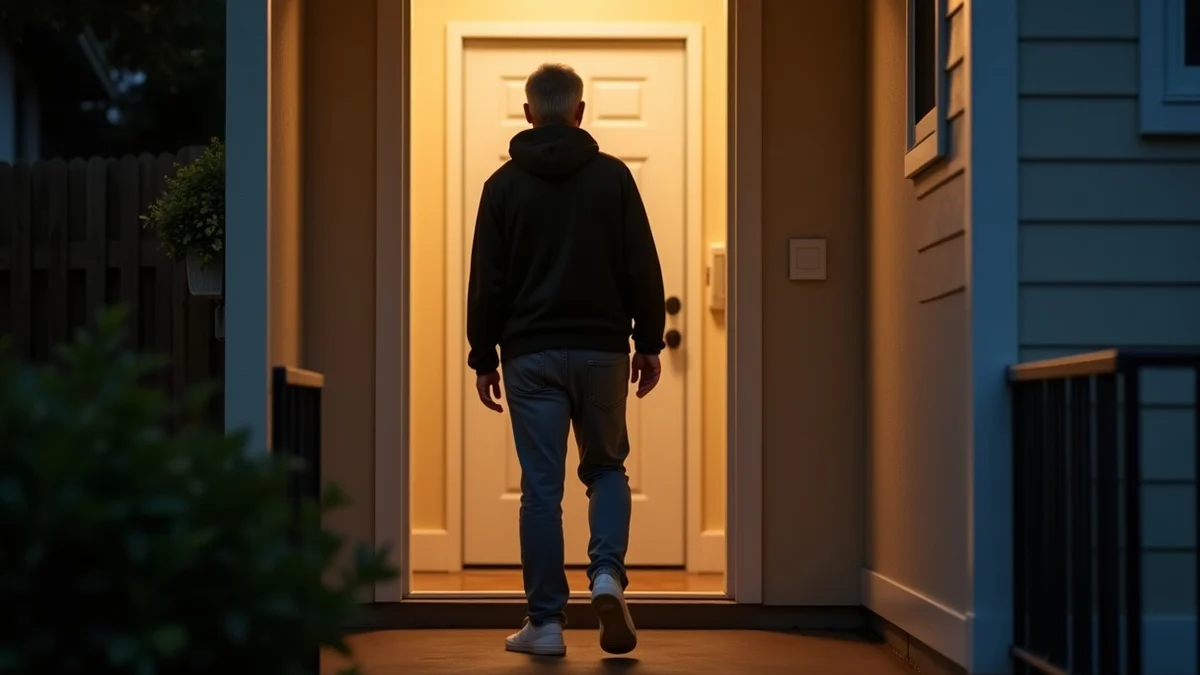
An empty house on a custody-change evening can make a new date feel like emergency equipment. Loneliness after divorce and dating call for two separate decisions: address the isolation first, then decide whether romance genuinely interests you. A date offers company for a few hours, but it seldom settles grief or rebuilds a disconnected life.
By Dating Again Guide · How this guide is edited
Loneliness Can Be Real Without Being a Signal to Start Dating

Loneliness often shows up as the missing witness to ordinary life: nobody hears about the frustrating meeting, shares dinner, or occupies the other side of the bed. It asks for company and contact. That ache deserves attention, but it says little on its own about romantic readiness.
Grief has a different focus. It brings the loss of a shared future, familiar roles, routines, and even the version of yourself that existed in the marriage. A pleasant date often distracts from that pain, yet distraction is thin material for a new bond.
Readiness feels less like a rescue mission. Interest in another person exists alongside hard moments. It is not a demand that someone remove them. Romance is one source of closeness, not the whole repair job.
Notice the Moments When the Empty Space Feels Strongest
Empty space is usually not constant. It flares at recognizable times: after the children leave for the other household, on a Friday evening, during a holiday, while sick at home, or after seeing couples make easy plans in public. Those moments carry different needs. A quiet apartment after a custody handoff calls for structure; a holiday often exposes grief and old traditions.
Write down the time, place, trigger, and what you reached for next over one week. The record turns a vague ache into a map. Planning a standing dinner or an evening class for the difficult slot takes effort, but it prevents the familiar 10 p.m. search for instant reassurance (the least flattering hour for major romantic decisions).
Build Sources of Connection That Do Not Depend on a Date

Romantic attention offers speed: a notification, an invitation, someone asking about your day. The cost is fragility when that attention disappears or a new connection loses steam. A broader web takes more calendar work, yet it exists on weeks when nobody is dating anyone.
Build a few forms of contact with different jobs. A friend for the difficult phone call, family for a regular meal, a group activity with a fixed meeting time, and an absorbing project at home create separate places for belonging. A walk, a library visit, or cooking a proper dinner also interrupts the habit of waiting for an evening to be rescued.
Dating after divorce with children adds a particular trap: custody-free nights can feel like proof that life has shrunk. Put one non-romantic plan into some of those nights while protecting others for rest. An open evening needn't produce a romantic prospect.
Decide Whether Dating Feels Like a Choice Rather Than an Emergency
Dating feels chosen when a quiet weekend is unpleasant but not intolerable, and when declining a poor fit feels possible. Curiosity centers on learning about another person. Emergency dating centers on securing relief, validation, or proof that the marriage’s end did not diminish your worth.
For an acute urge, set a 48-hour pause before arranging a date. Use that window for one human contact, one task outside the home, and one calming routine such as a meal, shower, or early night. Then ask what remains after the loneliness has eased: interest in meeting someone, or a wish to stop hurting for one evening?
Persistent despair, panic, sleep disruption, or difficulty doing work, parenting, or basic care may warrant support from a qualified mental health professional. Dating is not a substitute for care when daily life is coming apart.
Use the next week to fill recurring empty slots with human contact or a settled routine. Dating earns its place when it feels like an opening in your life, not an emergency repair for a lonely Tuesday night.